MEET TOMMY
Meet the man behind it all.
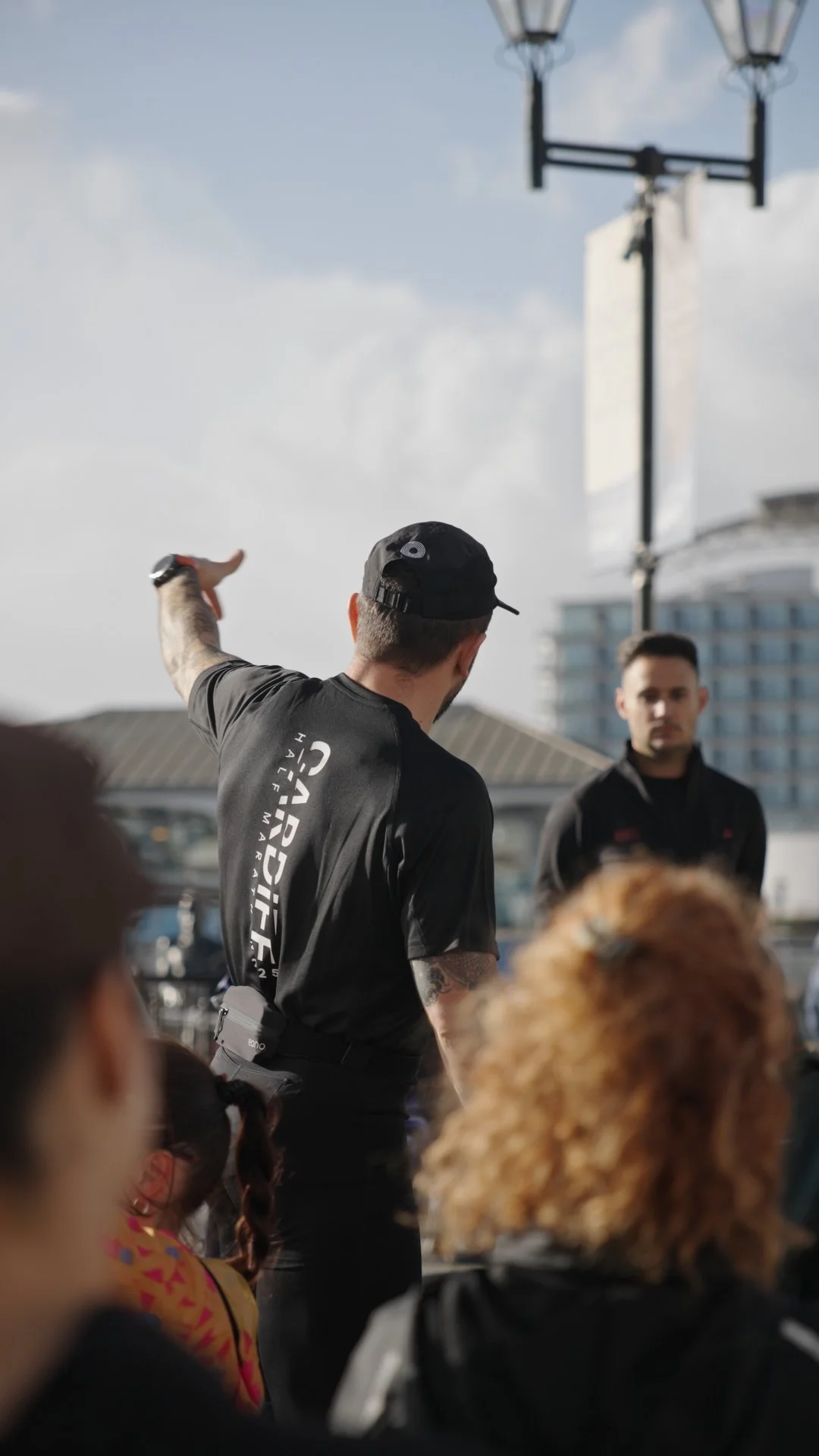
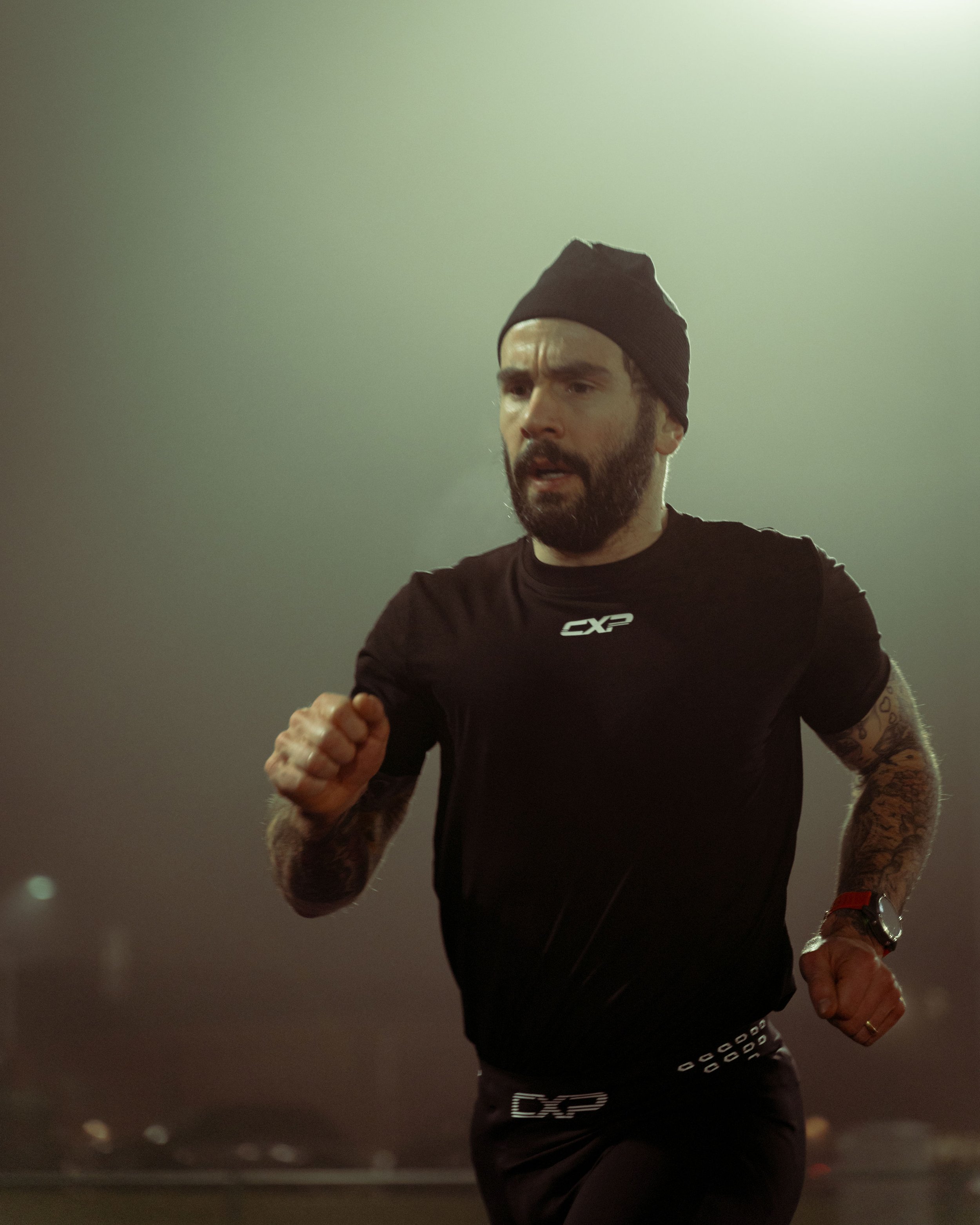
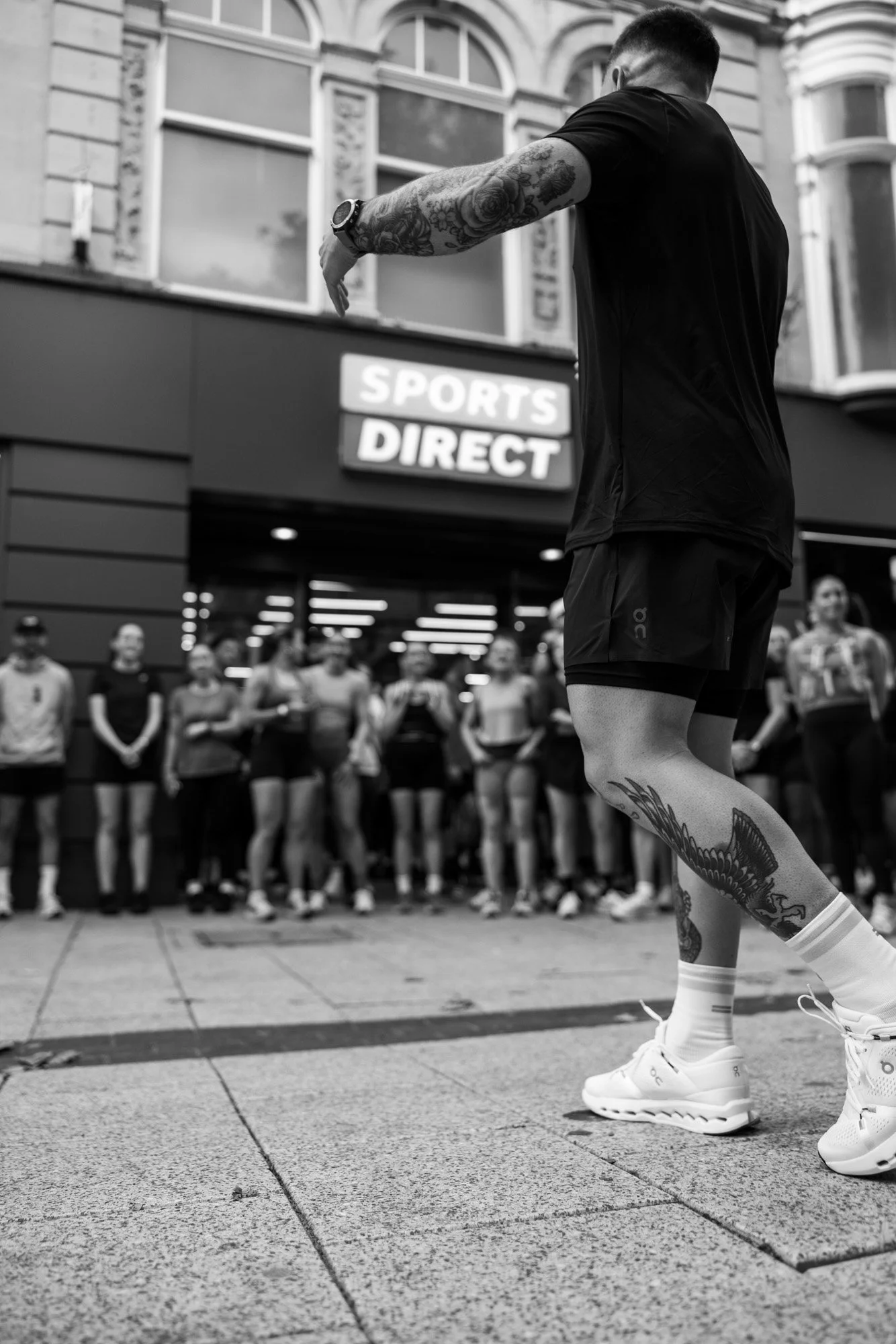
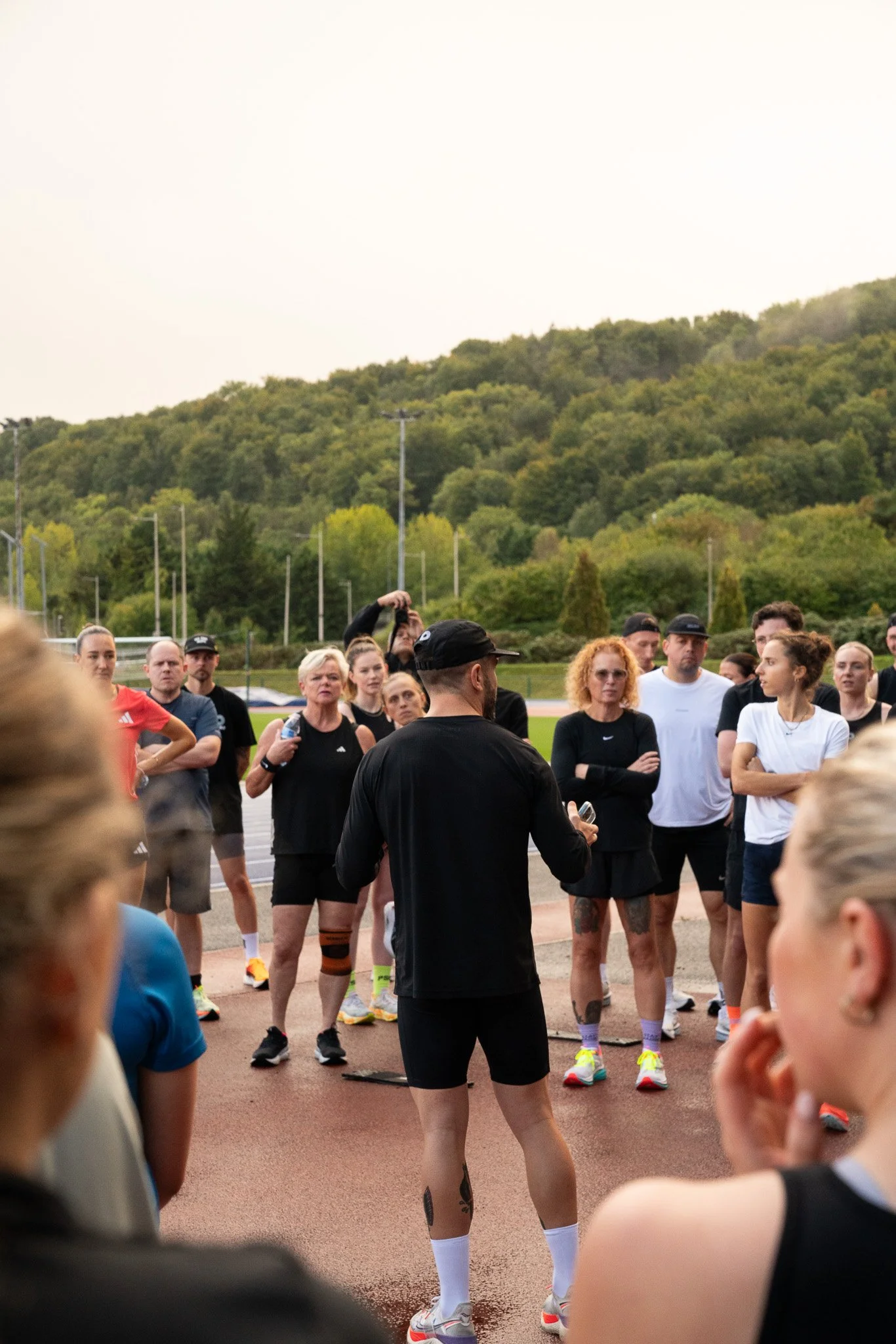
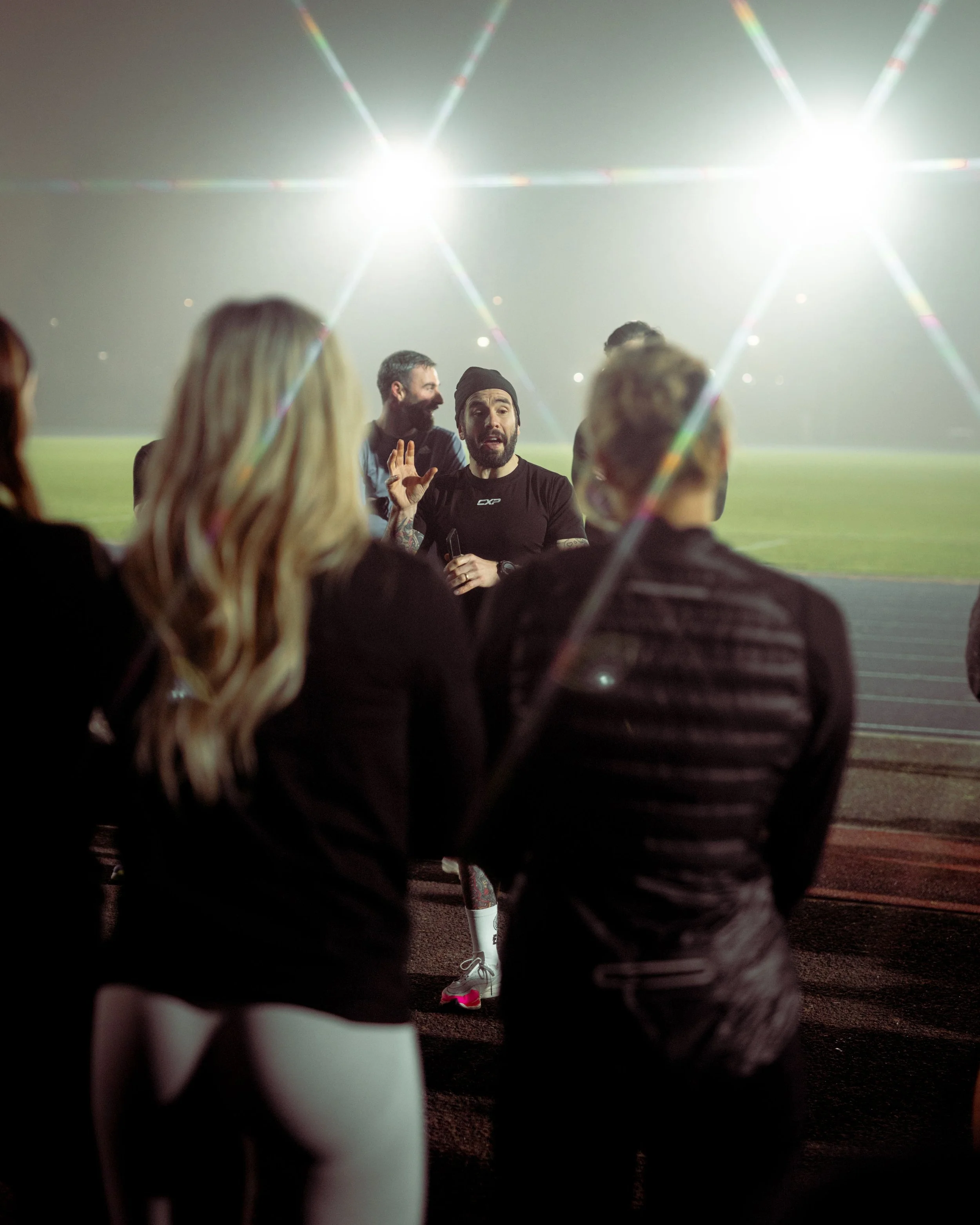
After a lot of persuading, I’ve finally managed to convince the founder and leader of EZ.RC Tommy Burnell, to slow down, step out from behind the scenes, and talk a little about himself.
Tell us a bit about how EZ.RC started and how it’s evolved over the last 3 years.
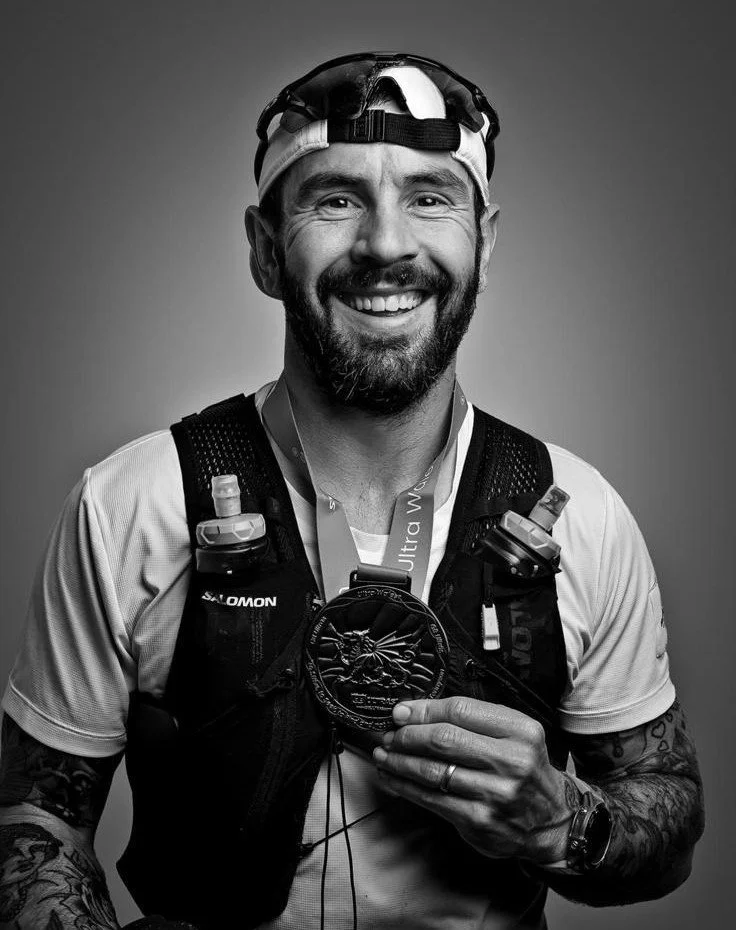
I started EZ.RC to create the space I wish I’d had when I began: welcoming, kind, pressure-free, and open to anyone. A place where people could show up exactly as they are.
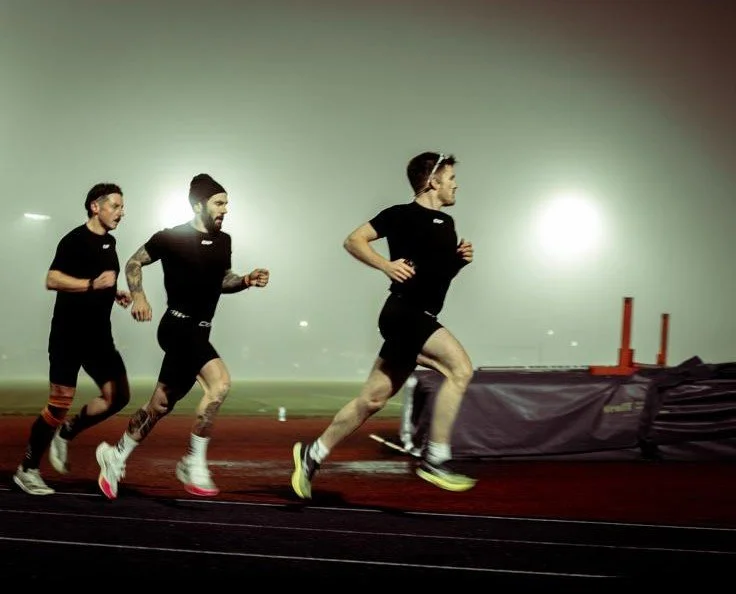
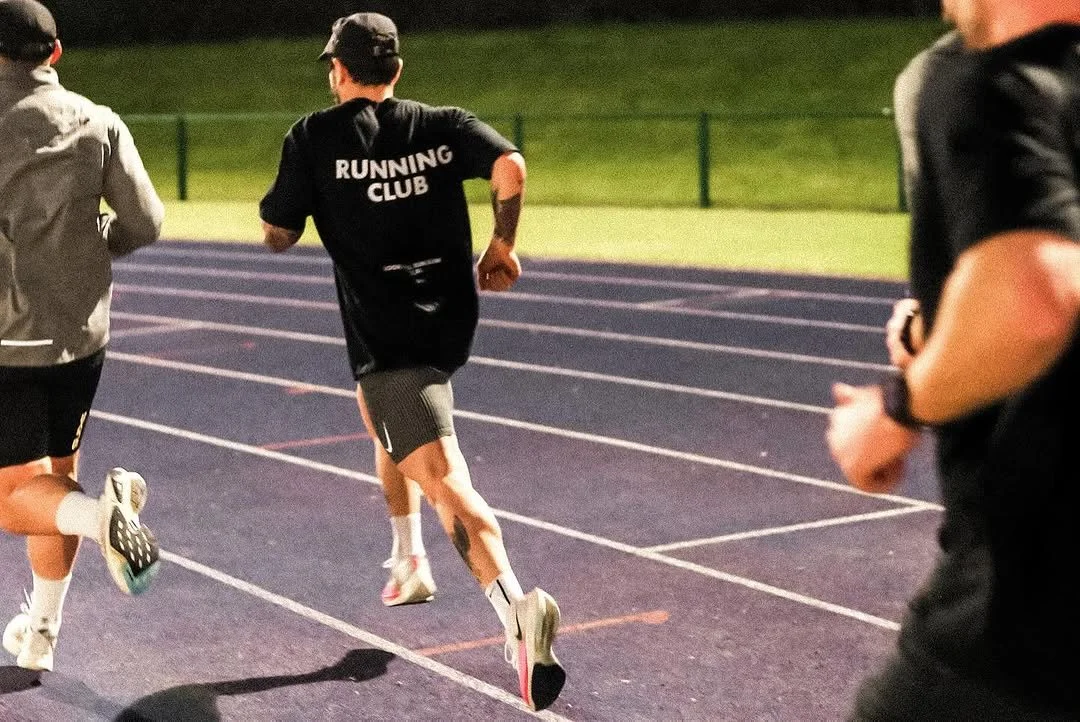
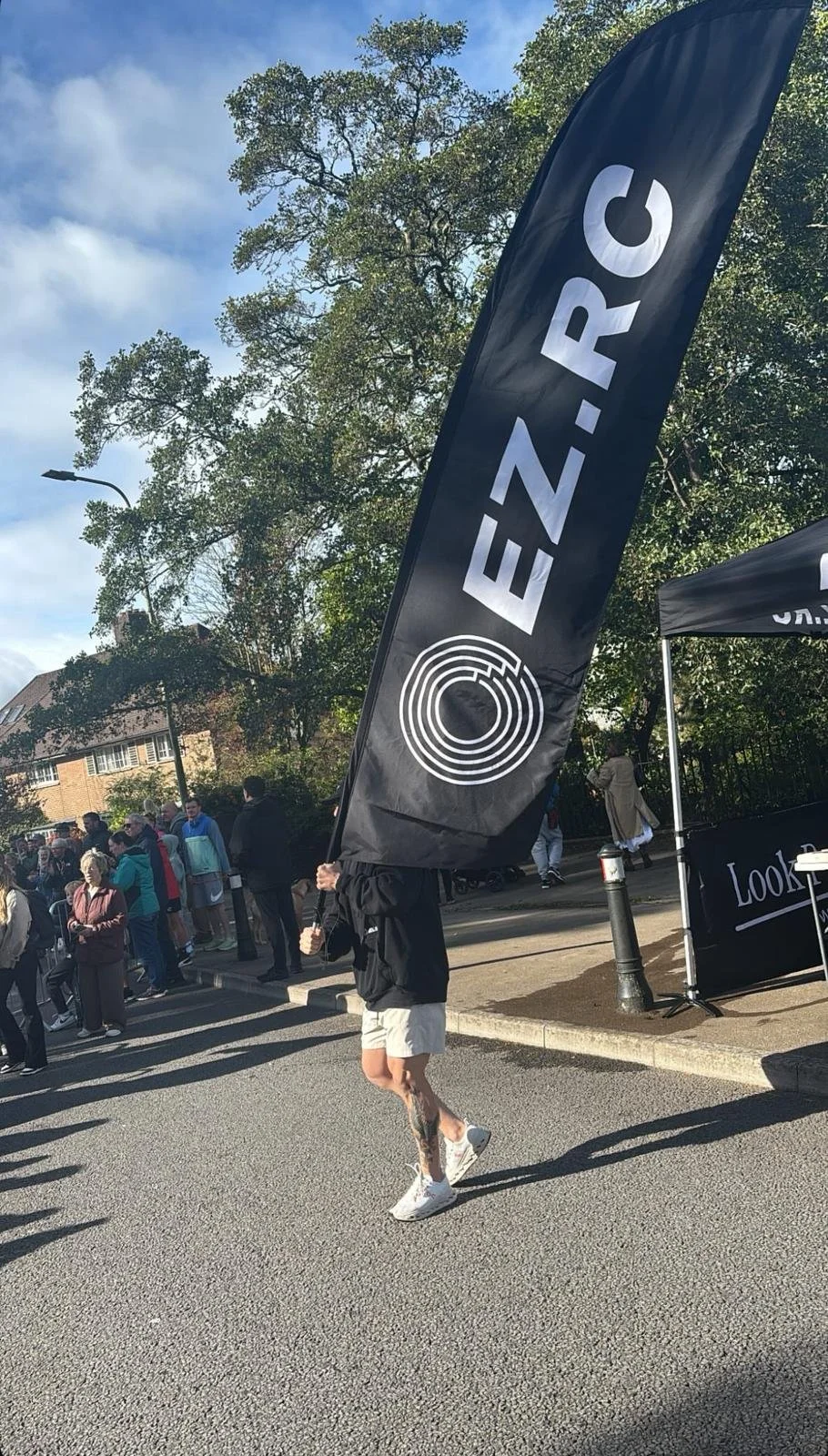
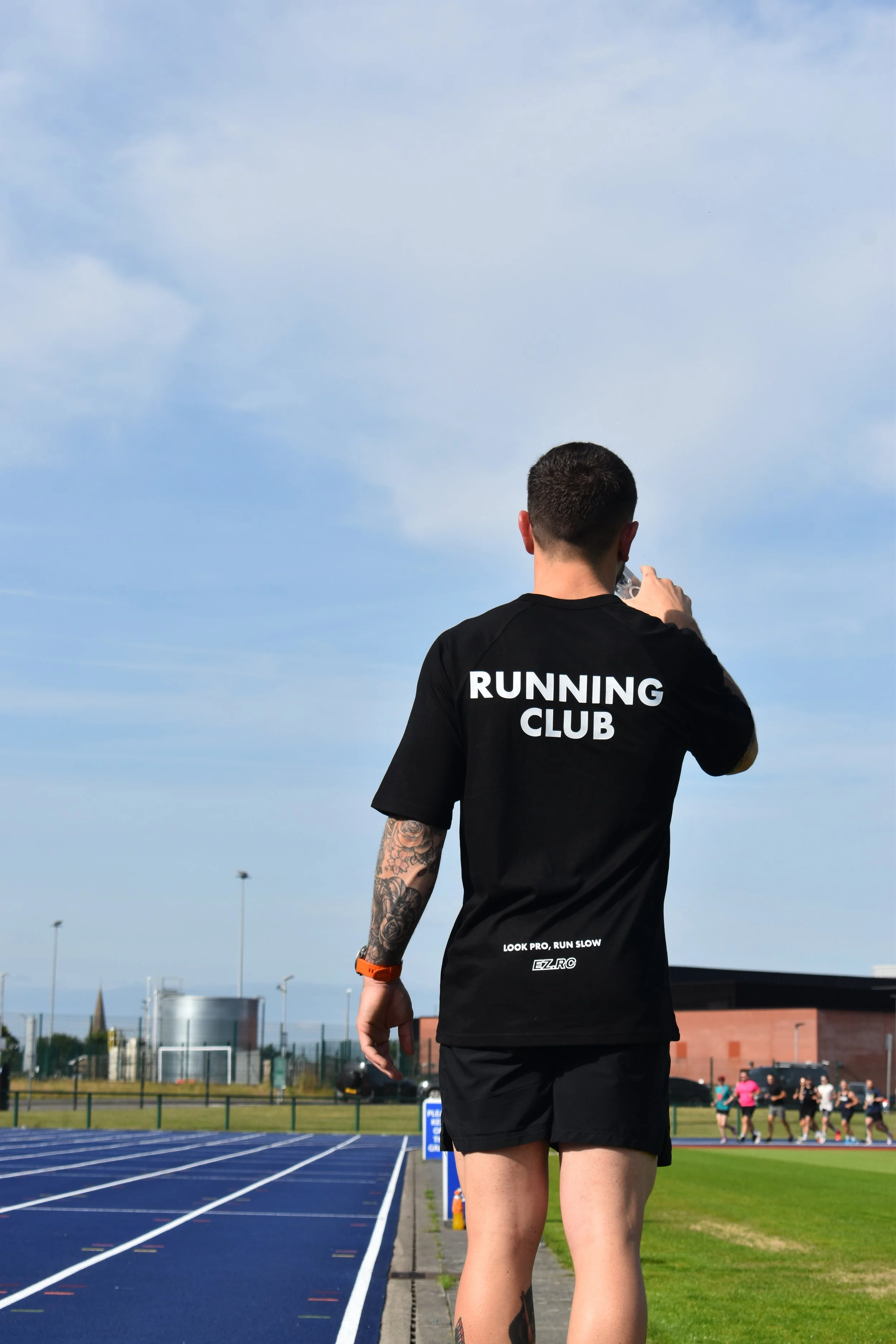
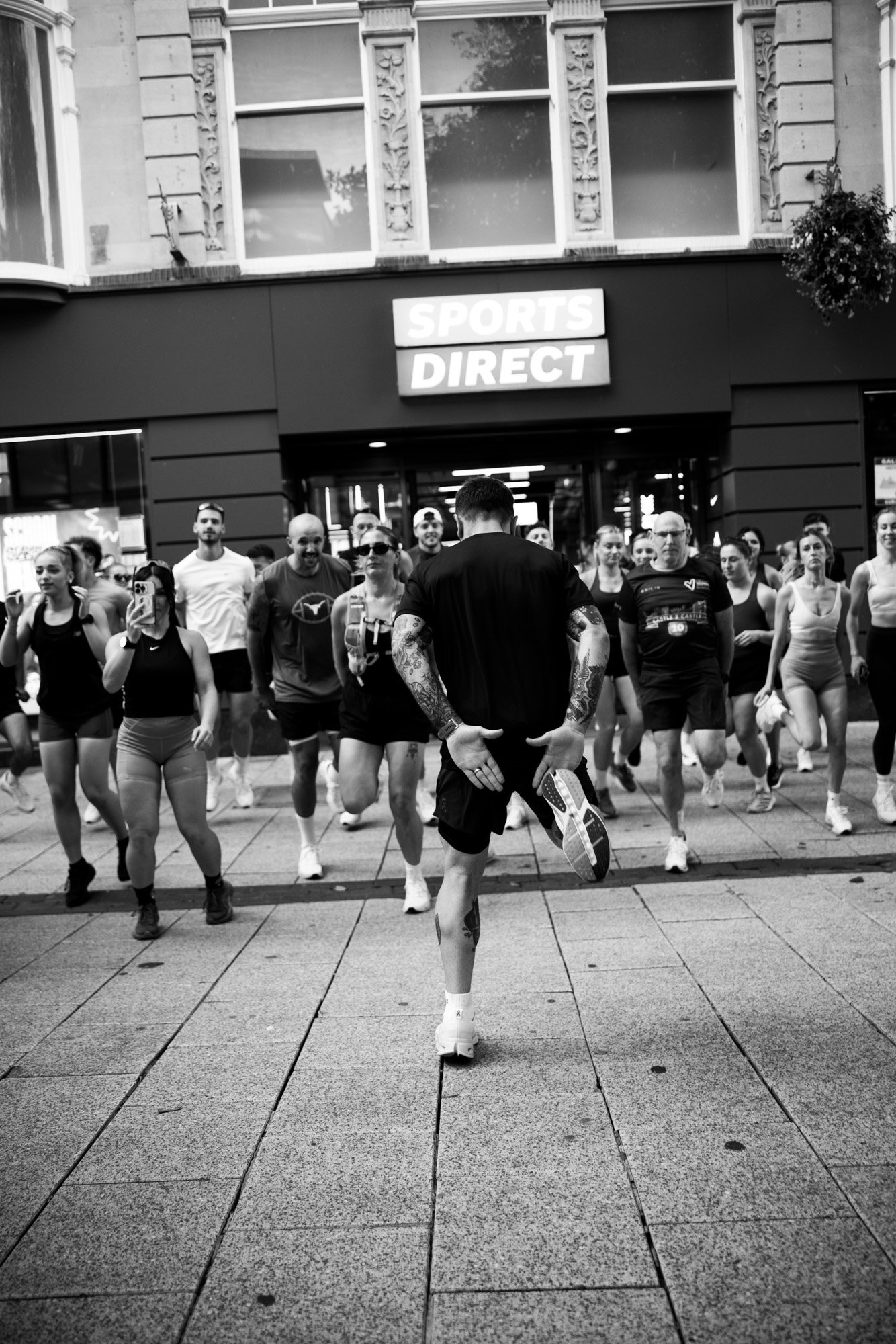
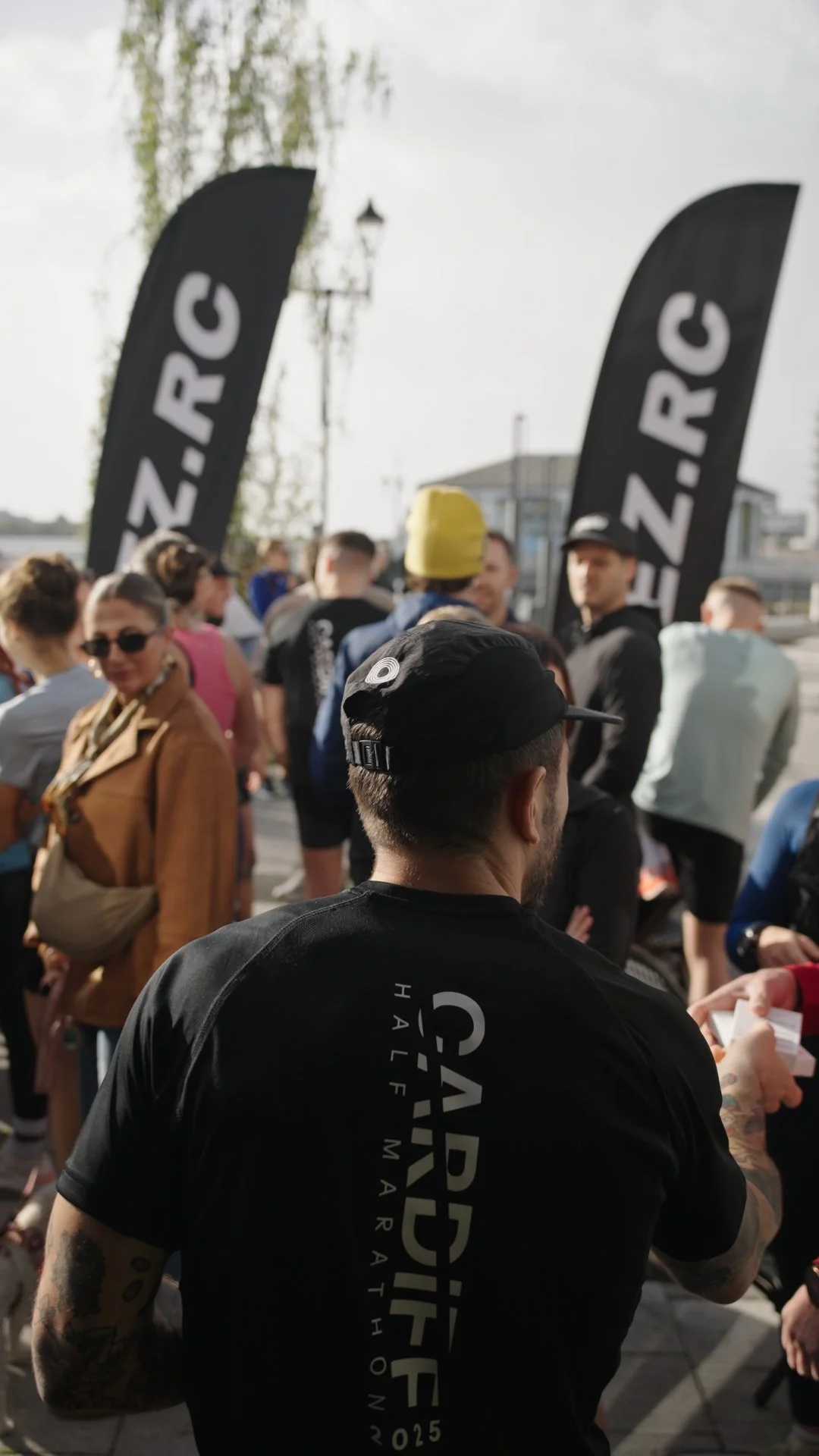
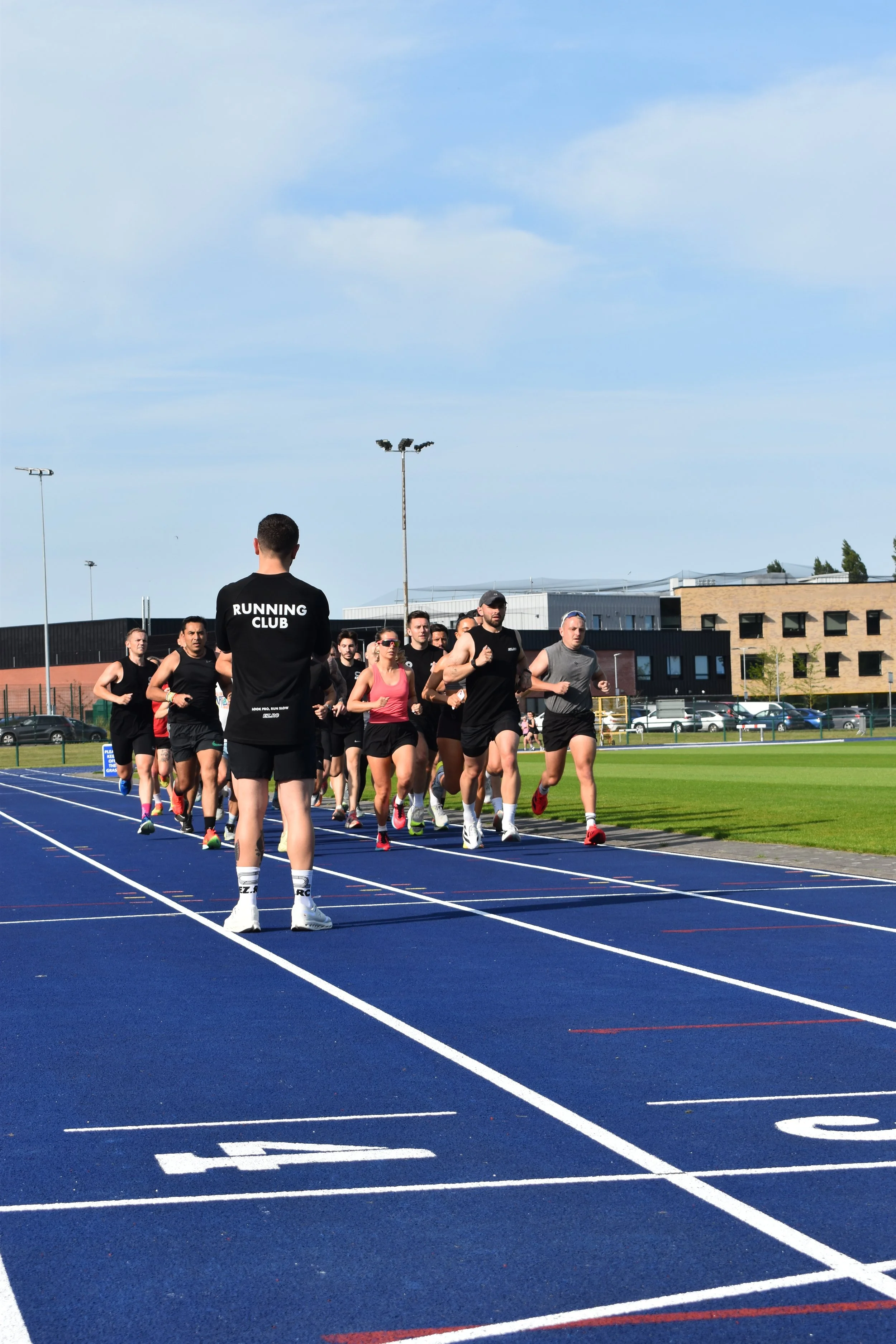
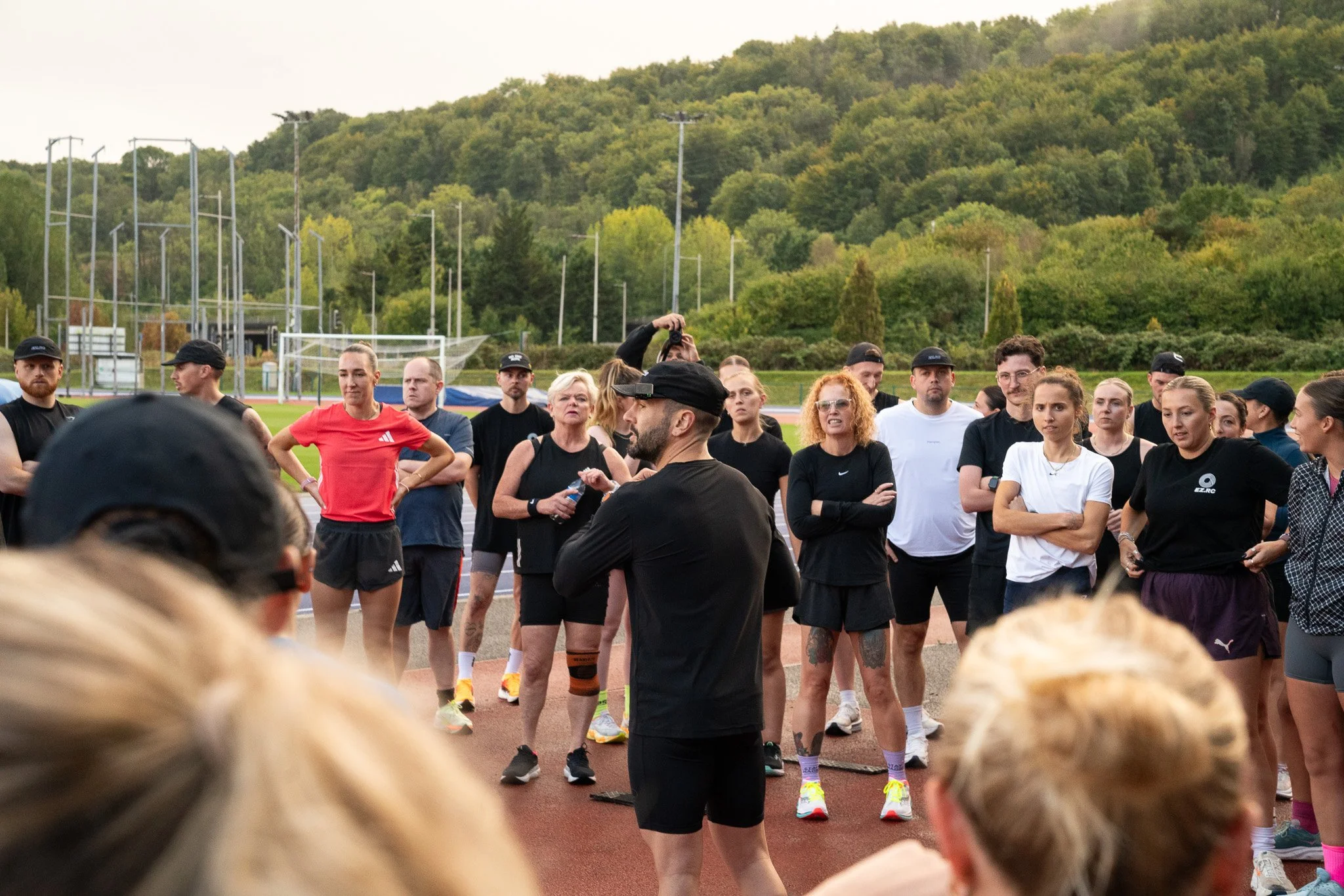
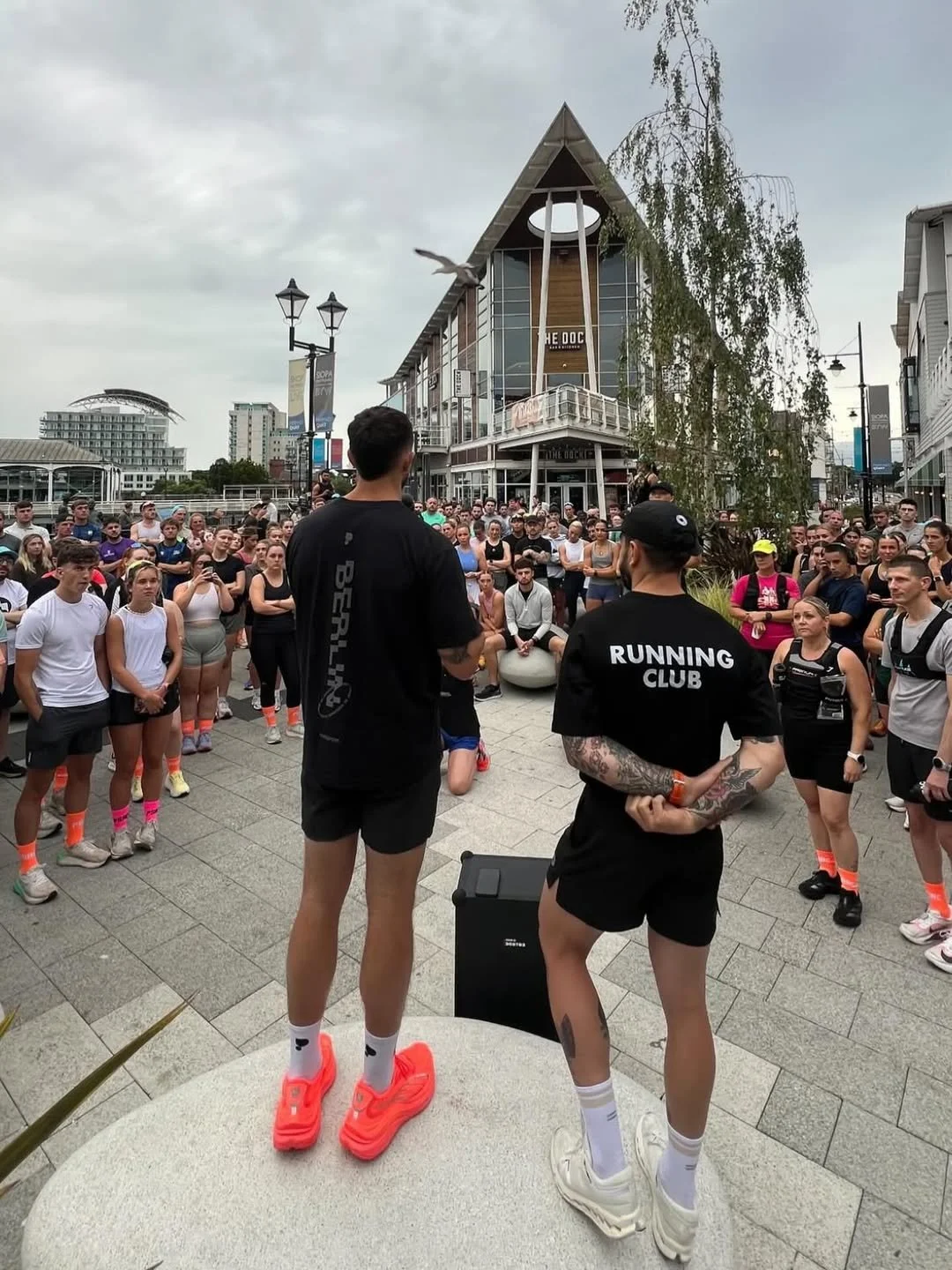
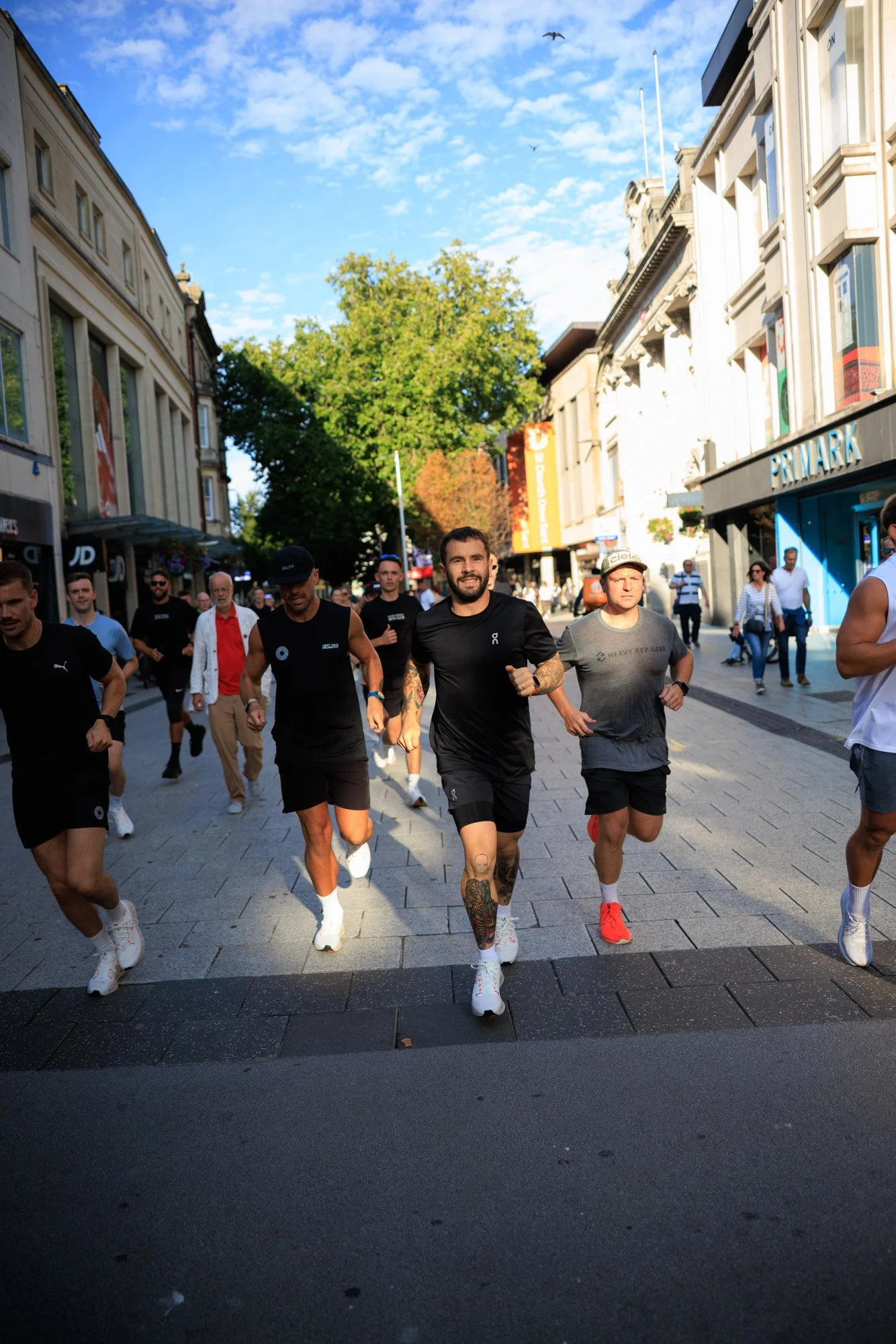
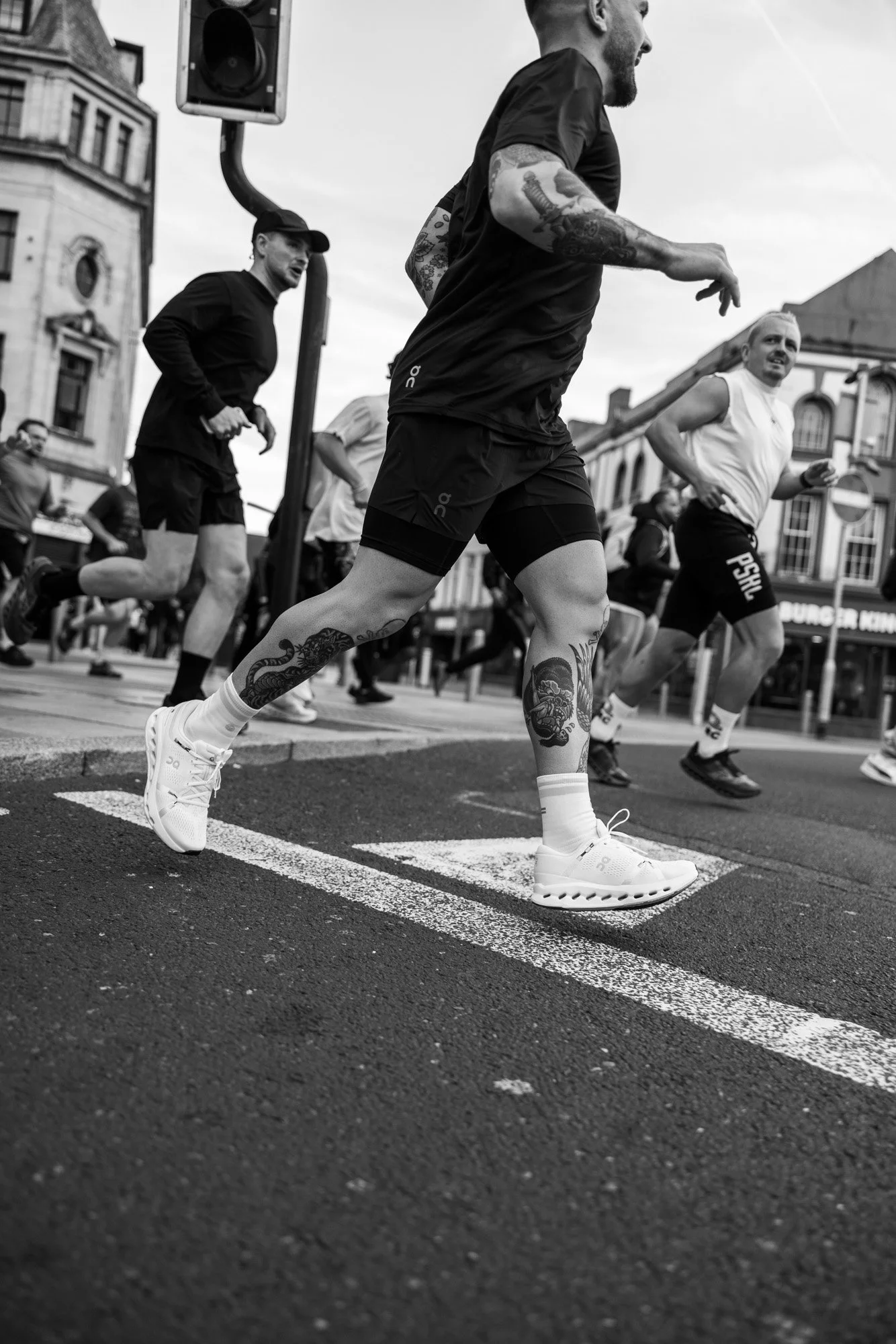
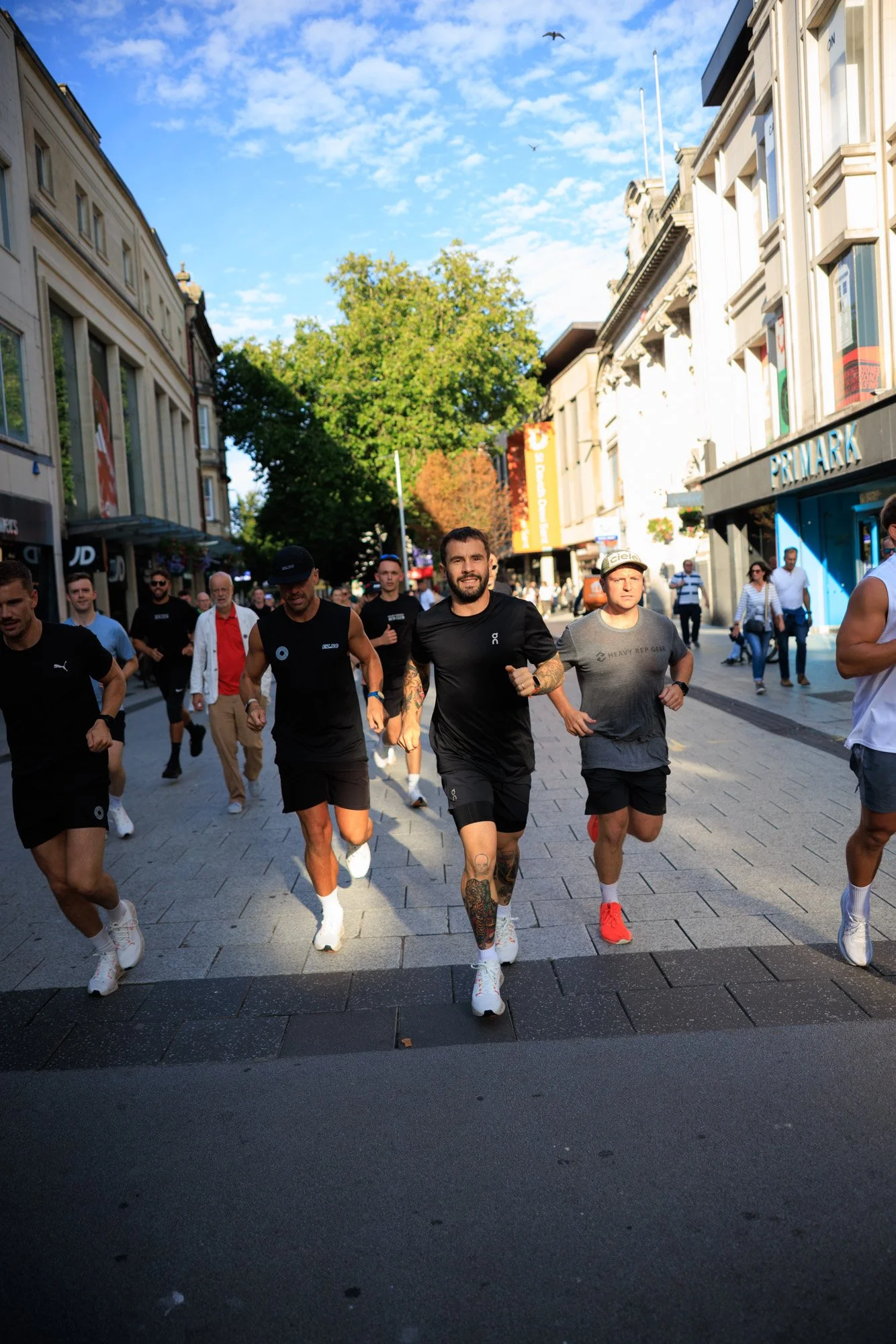
It began as a small group of mates meeting for a couple of runs a week. Now it’s a genuine movement, hundreds of amazing people, track nights, Sunday club runs, events, partnerships, and even travel. Through all of it, the vibe has stayed the same.
What are your proudest moments from the club?
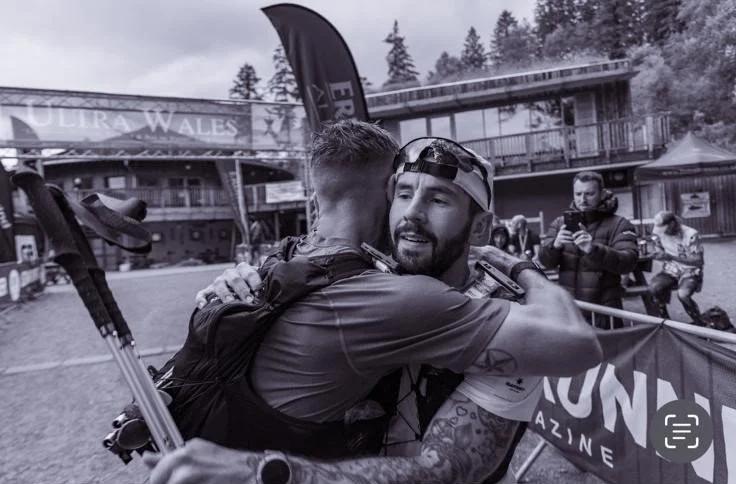
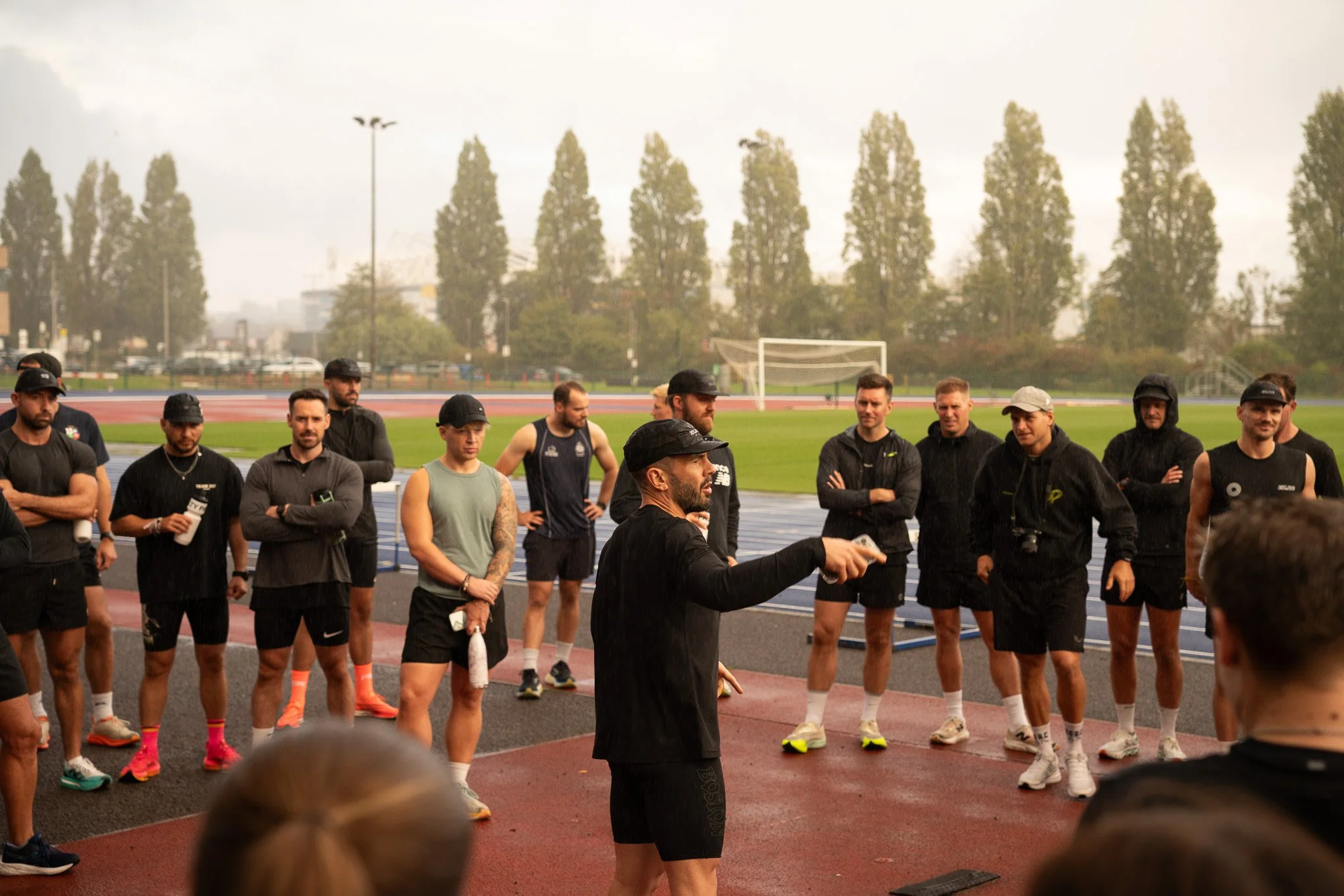
It’s rarely the big things. It’s the moments in between, people becoming friends for life, supporting each other at track, celebrating small wins, or watching someone go from absolute beginner to running their first 5K, half marathon, or even ultra. Those moments get me every time. They’re why this club exists. Honestly, even writing this chokes me up a bit haha.
“The community means everything to me. It’s become a support system, a friendship group, and a place people feel they belong.”
How did your running journey begin?
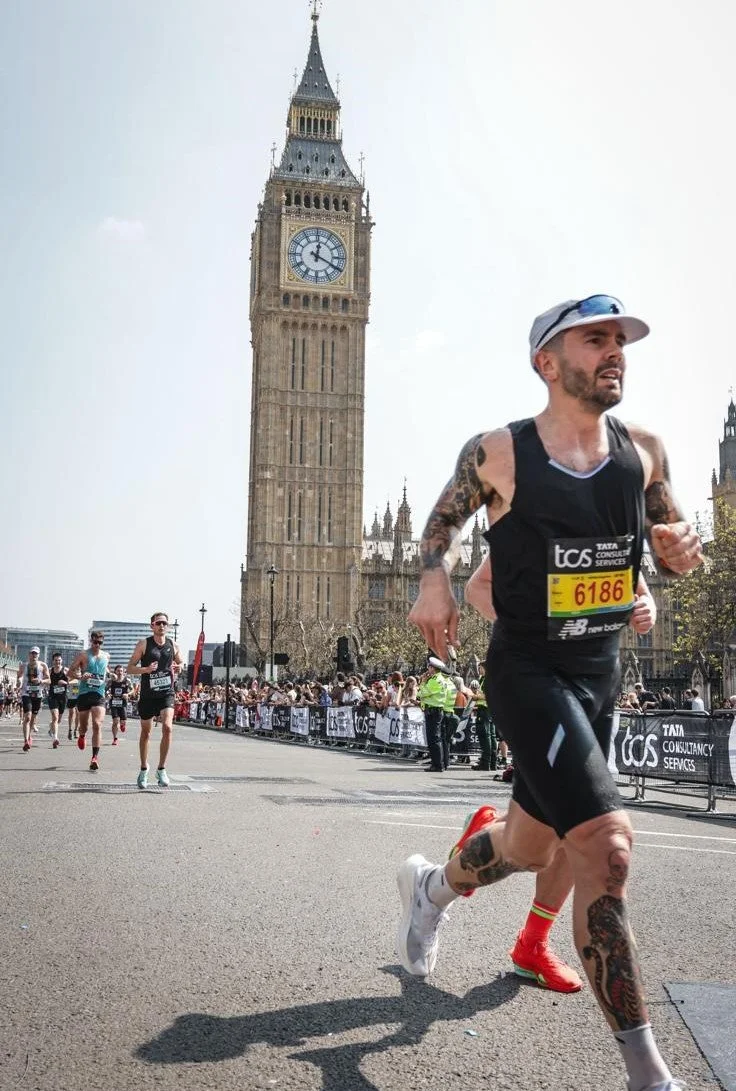
My running journey started in early 2020. I was a pretty serious road cyclist at the time, and running was just something I dipped into now and then for a change of scenery from sitting on a bike for 5 hours a day. I wasn’t chasing PBs or distances at the start, I just liked switching things up. Over time, running slowly became the structure I built my life around. It gave me clarity, confidence, purpose and eventually a community. That shift changed everything for me.
Have you always been into sport, or did running come later in life?
Sport was my whole identity growing up, for better or worse. I threw myself into everything full throttle, got obsessed easily, and became pretty decent at most things purely through obsession. Running actually came later, and that’s why I appreciate it so much now. It didn’t come naturally at first. I had to build it slowly, and that experience helps me relate to people who feel like they’re “not runners.” I’ve lived that phase myself.
Rumour has it you have an announcement for 2026?
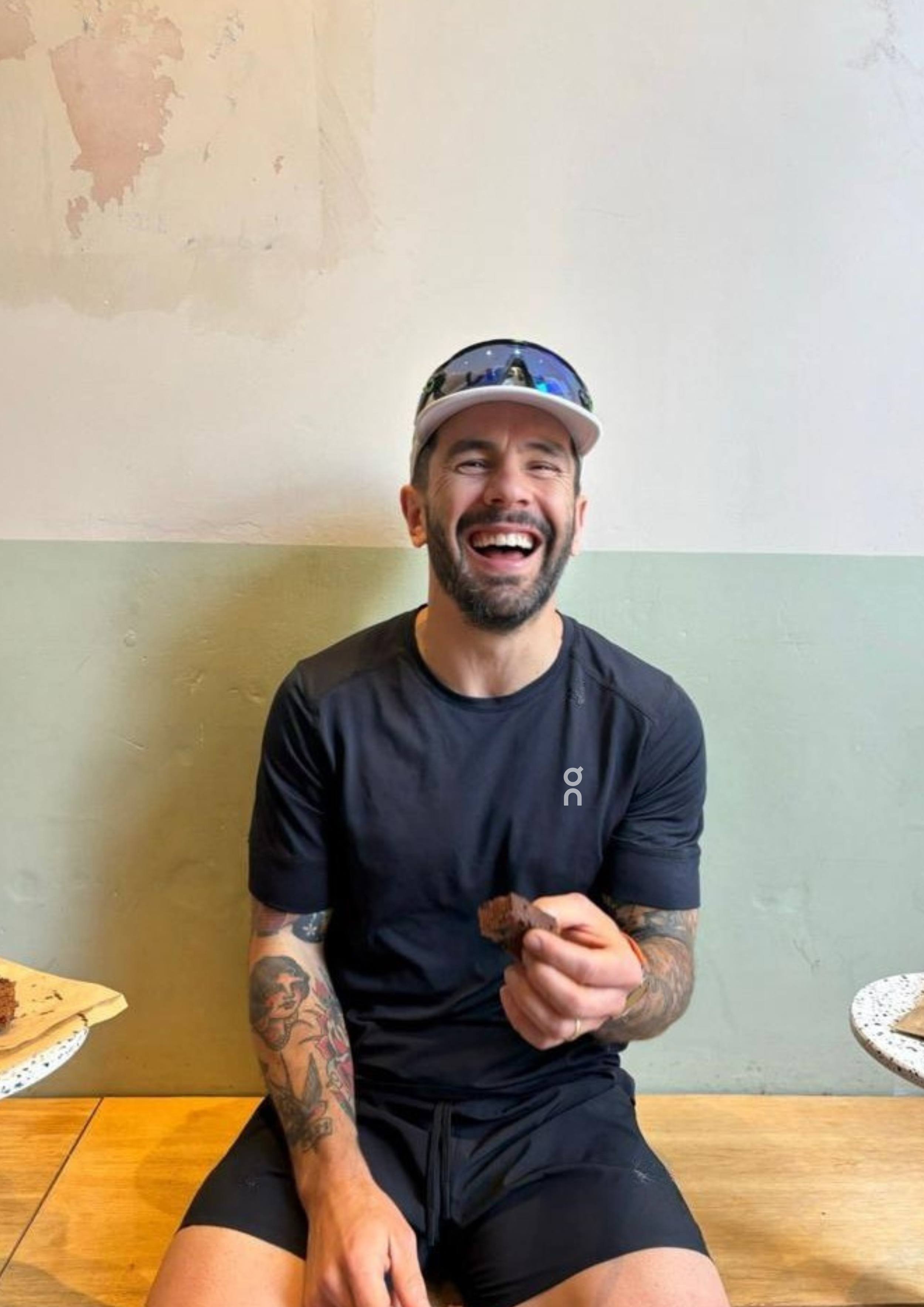
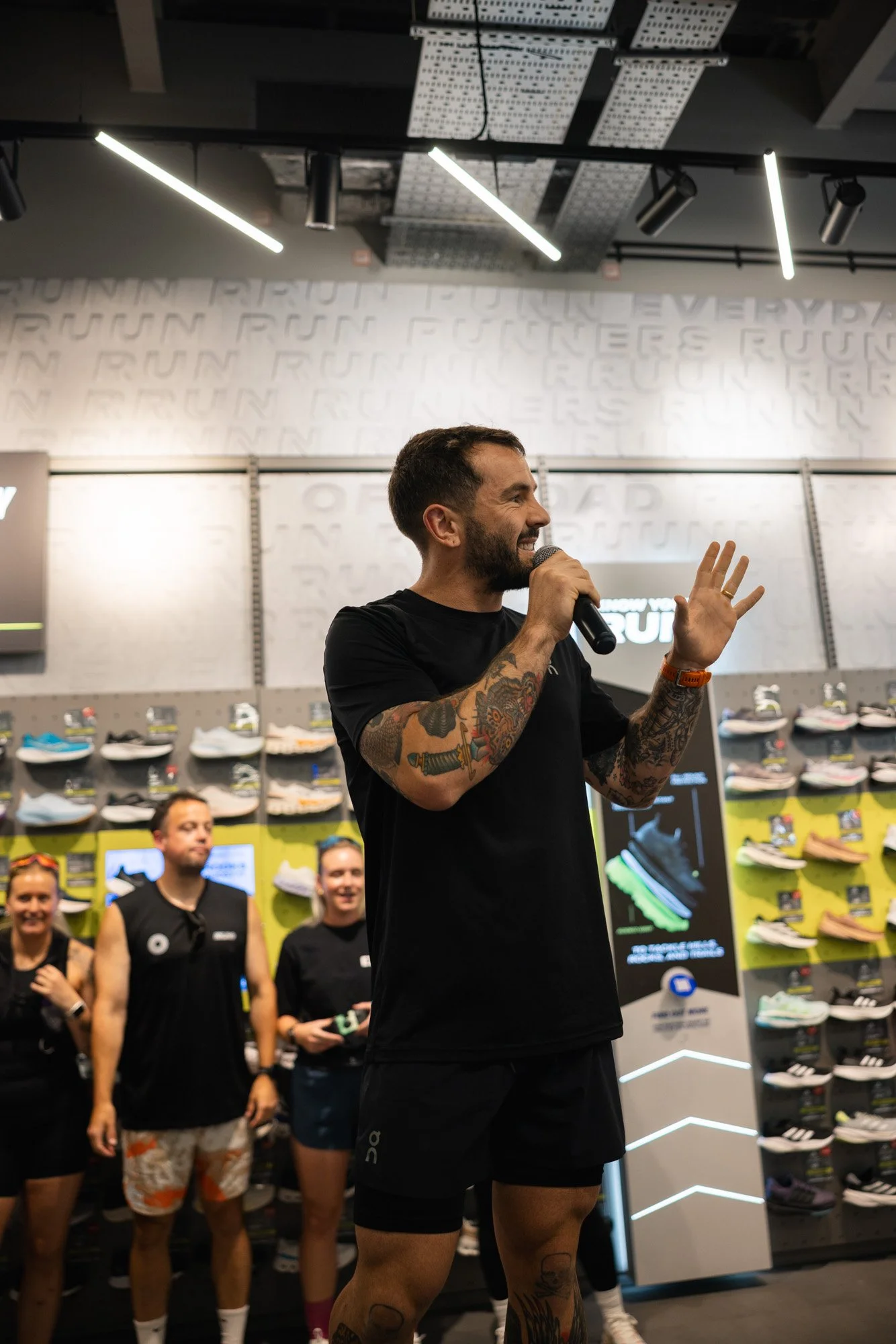
Yes, I’m incredibly proud to announce that I’m officially joining On as an ambassador.
If you’d told me when I first started building EZ.RC that one day I’d be joining a brand like this, I honestly wouldn’t have believed you.
So to now personally be aligned with a brand I genuinely admire, one that stands for innovation, community and doing things differently, feels incredibly special.
What were you doing before coaching, and how has that shaped the way you work now?
After leaving school, I went straight into full-time professional rugby league. During that time I gained my gym instructor qualifications and began coaching alongside training. I’ve been in the fitness industry properly since about 22.
I then stepped away for a couple of years and worked as a school teacher before returning to performance coaching. Teaching was a huge turning point. It taught me communication, patience, emotional intelligence and how to actually understand people. That’s shaped my coaching massively. The human always comes first.
“Programming, physiology, and training structure matter, of course, but if you can’t communicate, empathise, or meet an athlete where they’re at, the science doesn’t mean much. I want people to feel understood before anything else.”
What’s one experience from your own running career that influences how you coach today?
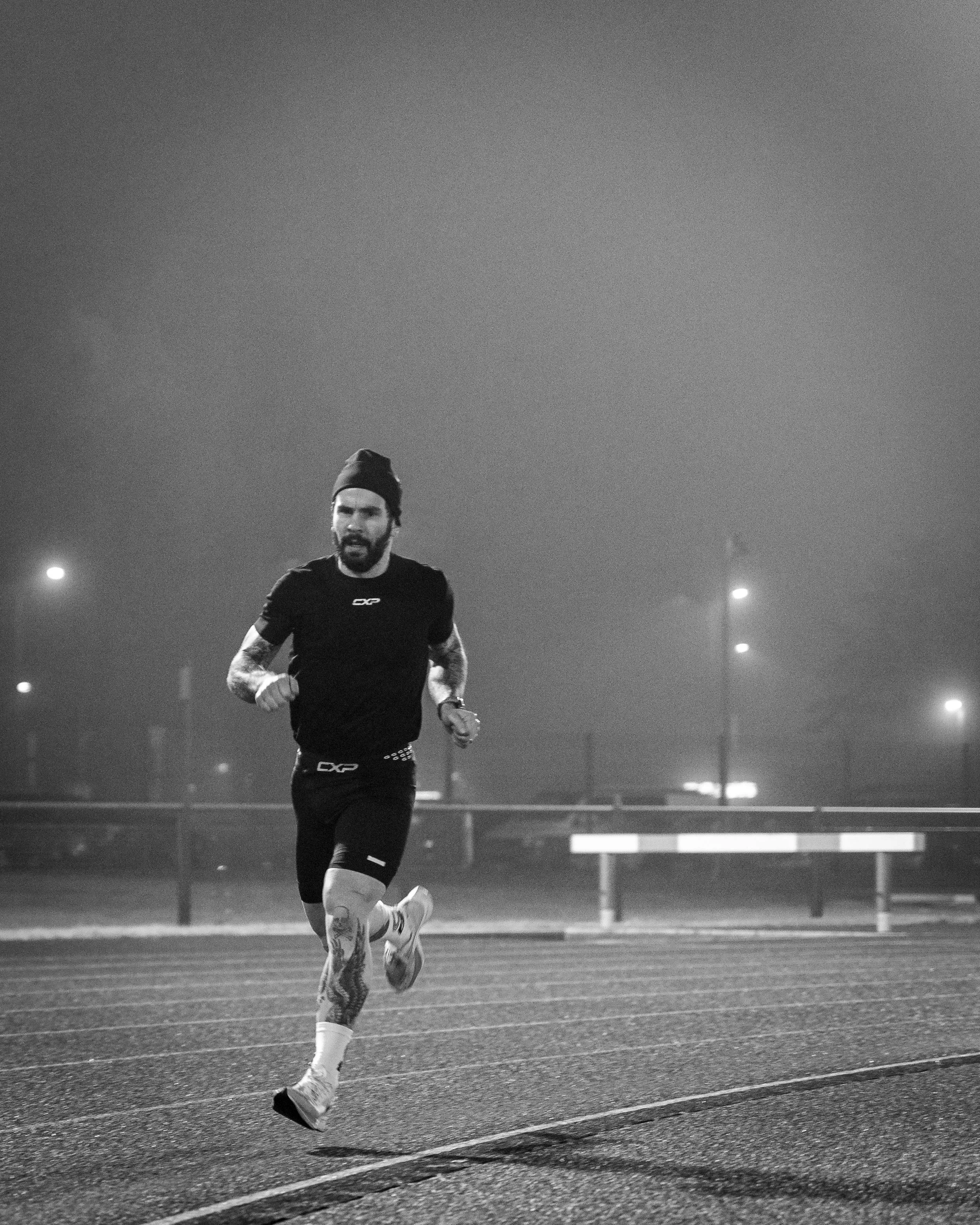
Balancing training with real life. Work, stress, injuries, it all taught me that progress doesn’t come from perfect weeks; it comes from the messy middle. That’s why I coach with empathy and flexibility. Life doesn’t pause for a training plan, so the plan has to adapt to life.
What do you think is the biggest misconception about coaching as whole?
That it’s only for “fast” runners or people chasing big race goals. Coaching is for anyone who wants accountability, structure, support, and growth, whether the goal is a sub-3 marathon or simply enjoying running more.
What makes your coaching style different from other coaches and how do your values show up in the way you coach?
I coach the person before I coach the plan. Anyone can hand out workouts, I want to understand you: your goals, stresses, confidence, barriers, and the life you’re training around.
My coaching is collaborative and flexible. Structure matters, but so does sustainability. I’m fully invested in every athlete I coach and will do everything I can to help them succeed, but the magic happens when the athlete is equally invested. That partnership is where real progress comes from.
What do you see happening for EZ.RC in the next few years?
I want to expand our coaching services to deliver world-class, yet accessible programming that genuinely changes people’s performance, and their relationship with running. I want to build a Run Hub/EZ.RC HQ, a physical home for the club with coffee, community, training, events, and a welcoming space for all runners. And I want more travel events, more training camps, more opportunities for people to experience running in ways they’ve never imagined.